Relearning the language of power
Geopolitical coalitions and pooled geoeconomic deterrence as Europe’s plan B for a post-WTO world
As the global order fragments and spheres of influence return, Europe risks being pushed into an international system shaped by others. The report Relearning the Language of Power argues that this outcome is not inevitable. Europe already controls critical chokepoints in global value chains, dependencies on which both the United States and China rely, and these constitute a largely untapped source of geoeconomic power.
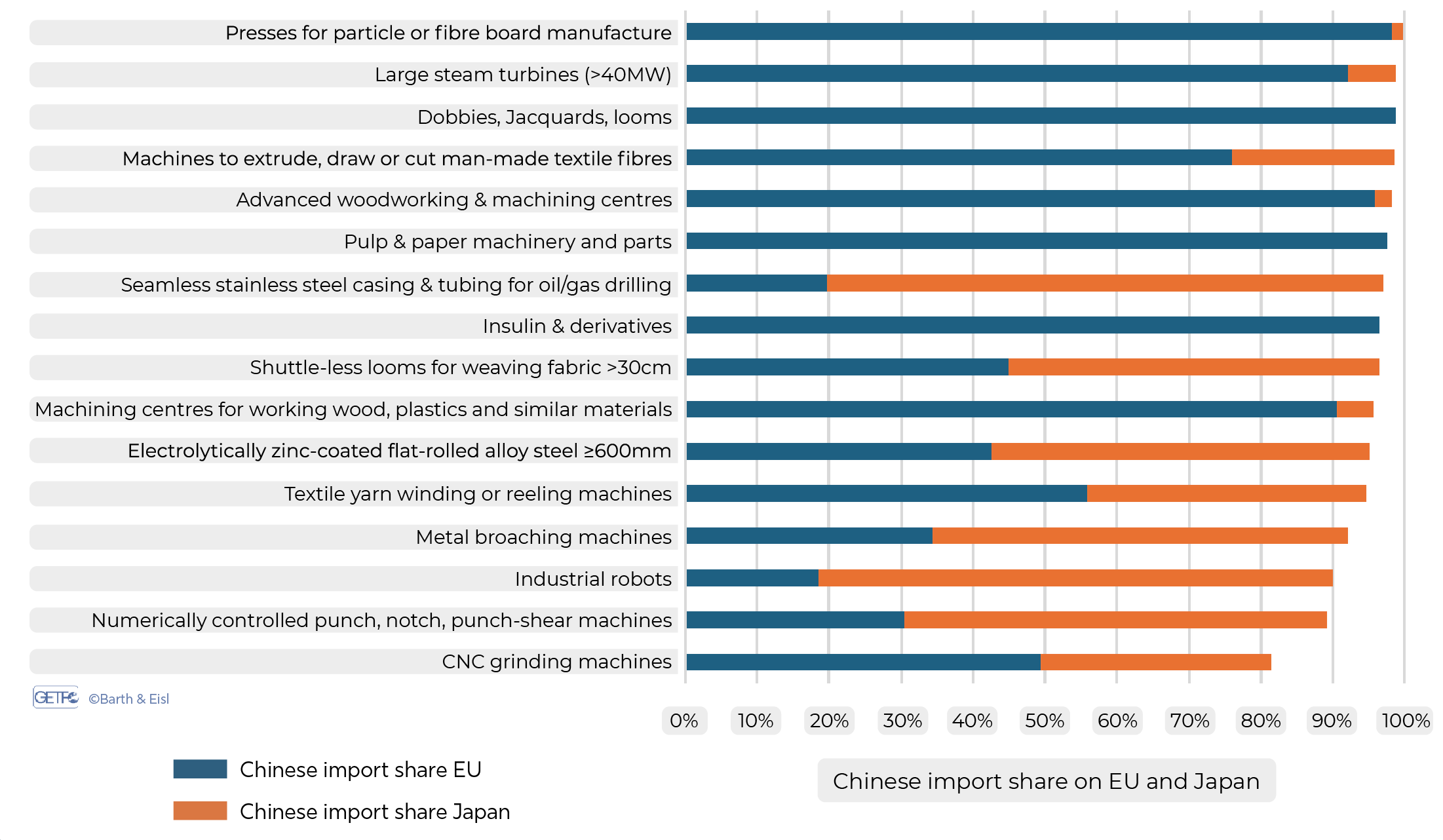
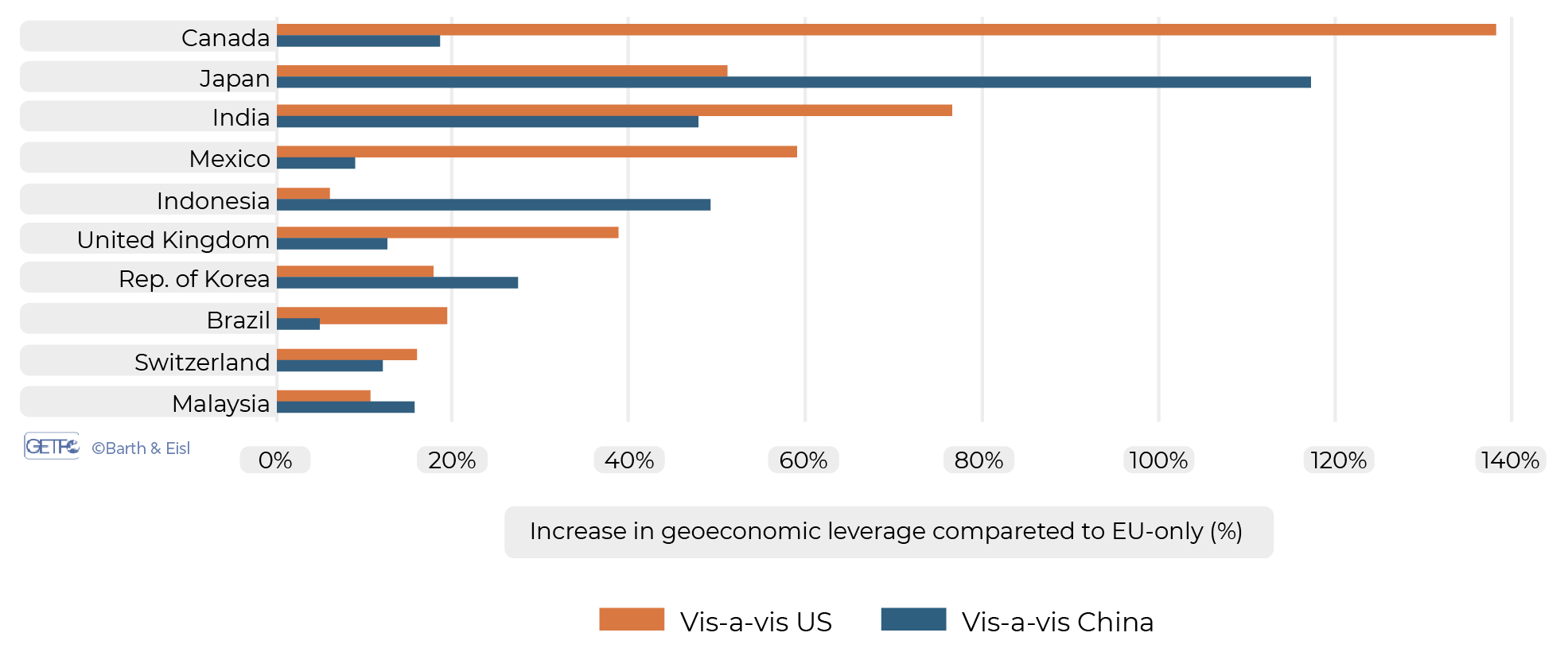
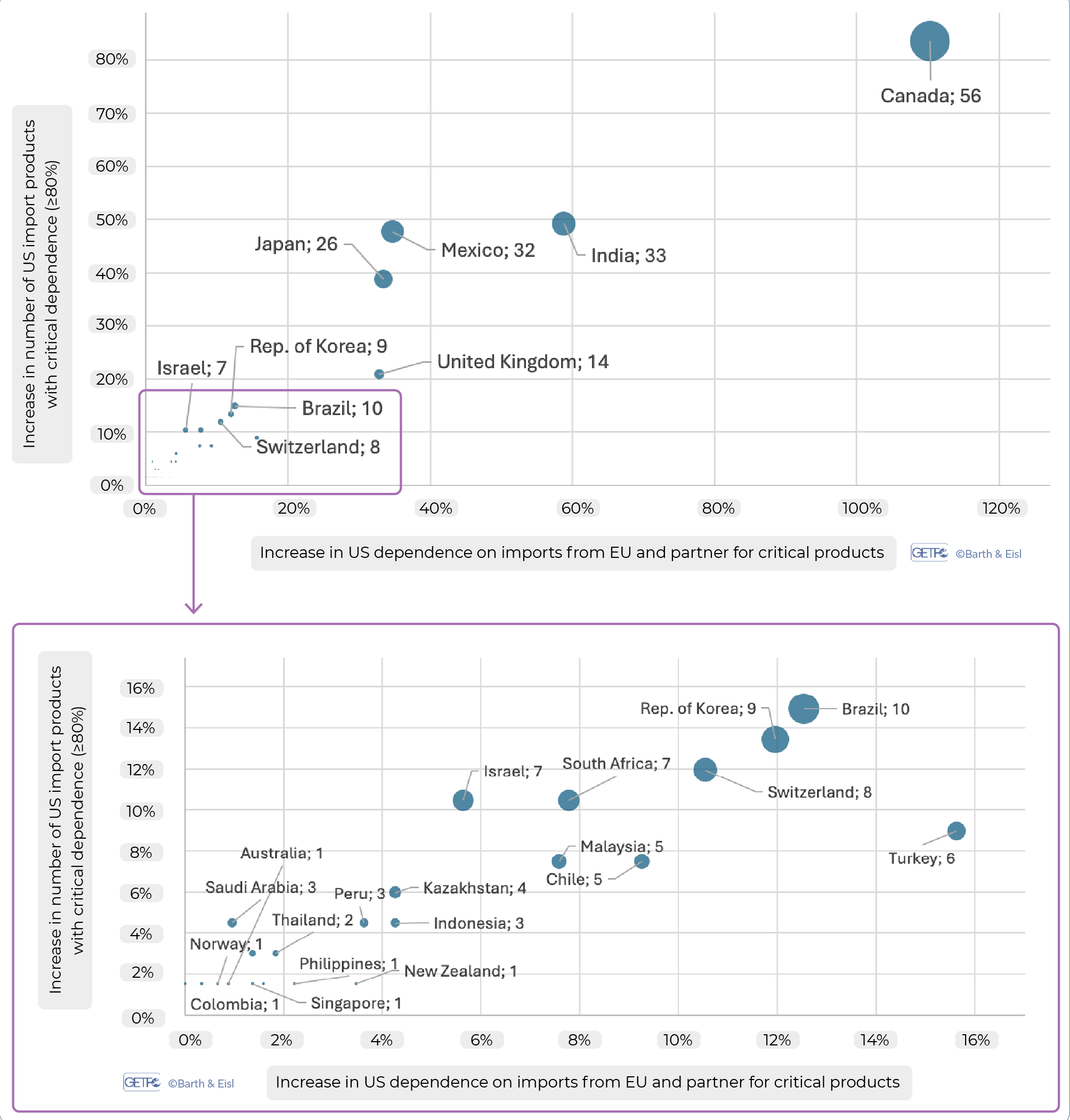
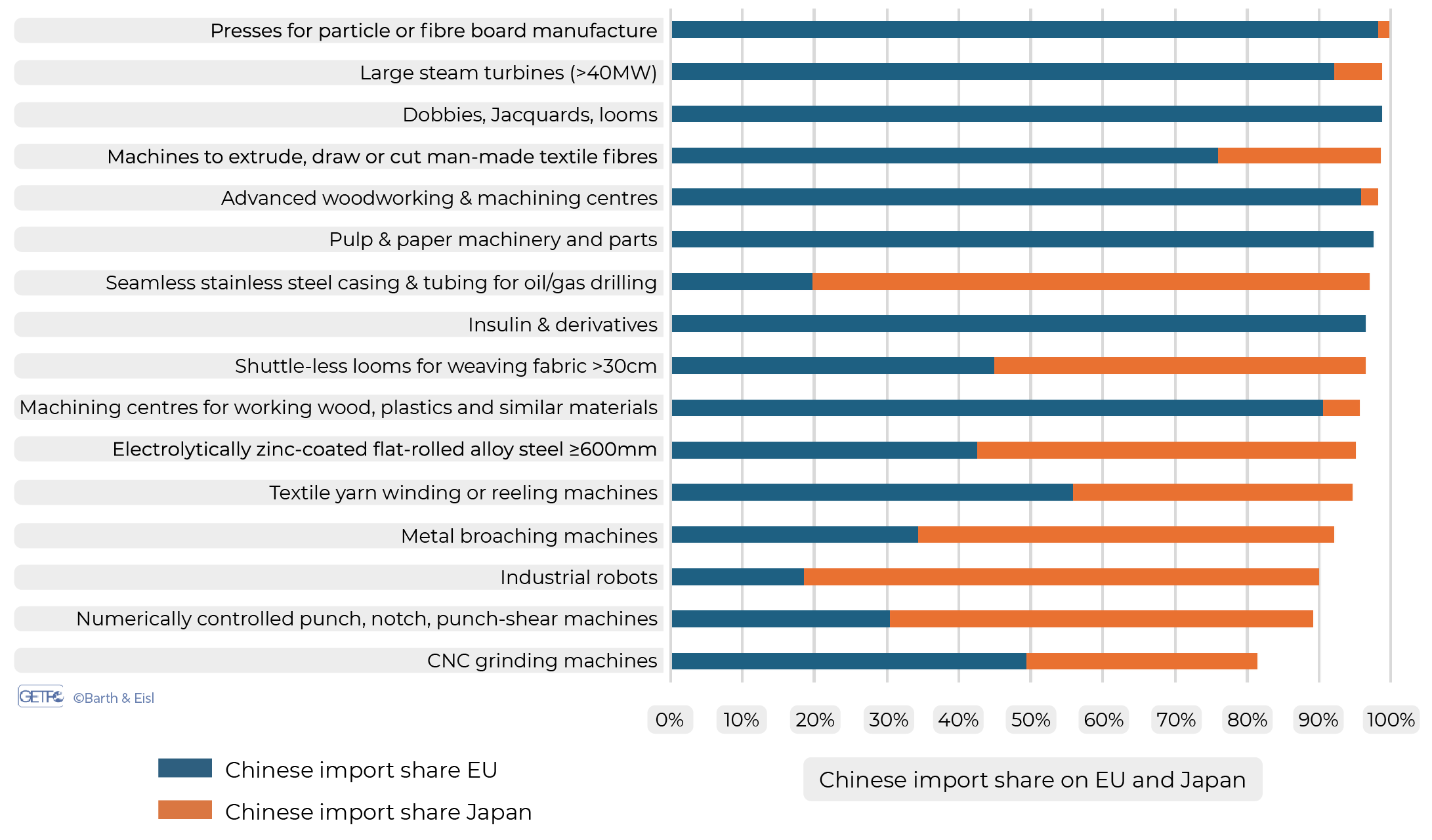
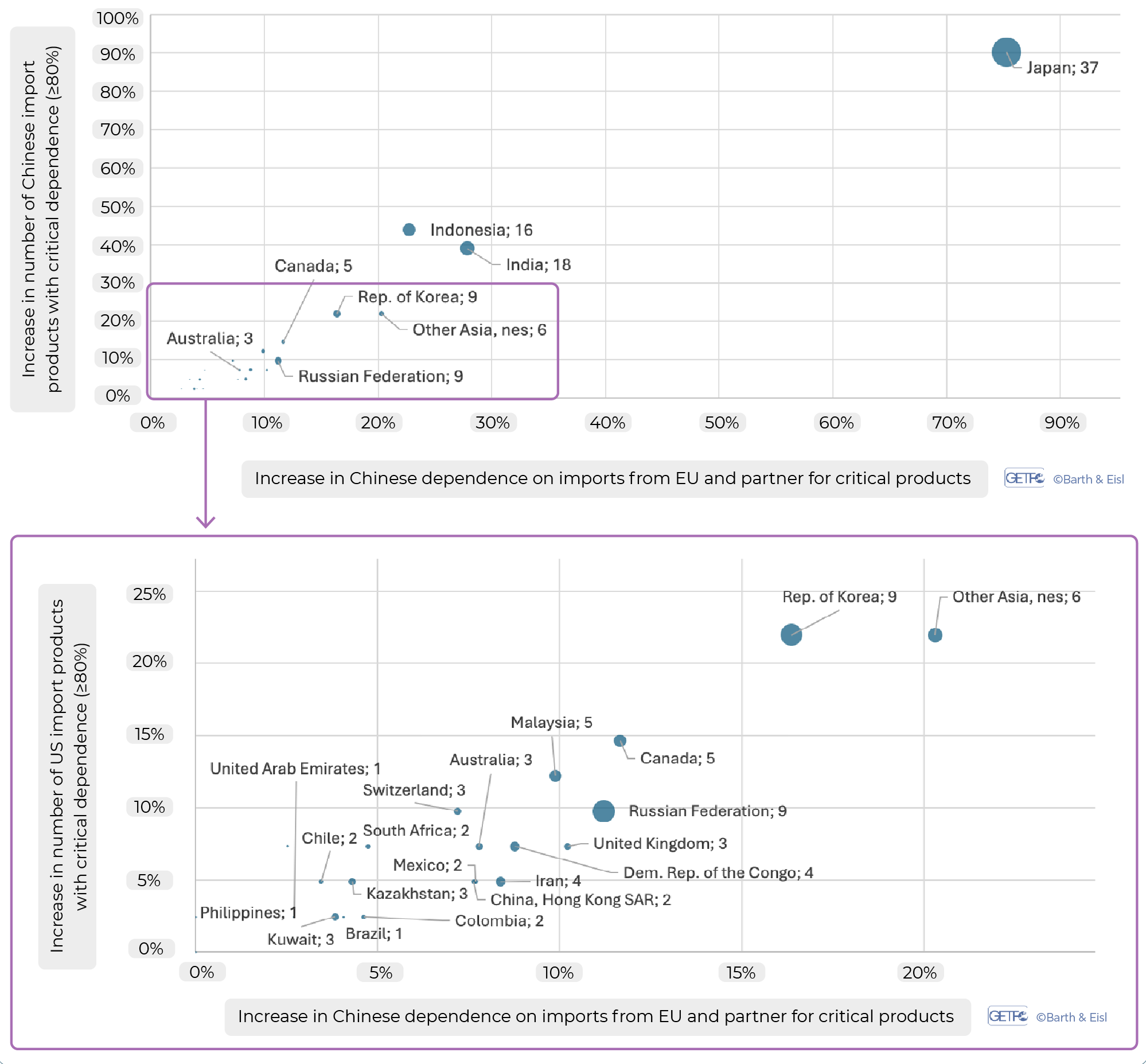
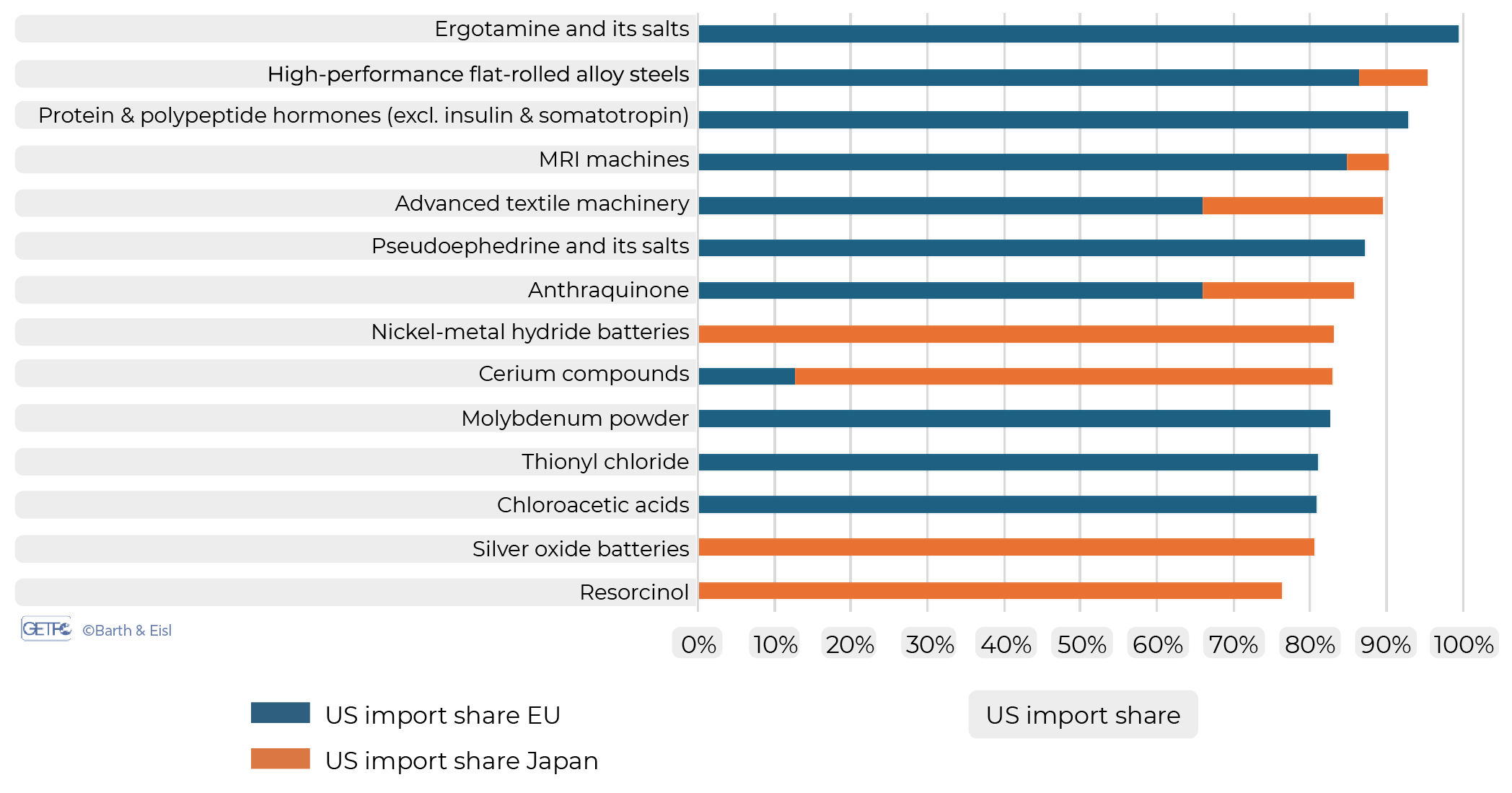
Based on an analysis of trade data, the report shows that China and the United States depend heavily on the EU for essential inputs ranging from pharmaceuticals and medical technologies to specialised industrial machinery. These dependencies are not easily substitutable and can be deployed as instruments of deterrence, particularly if Europe pools its leverage with like-minded partners.
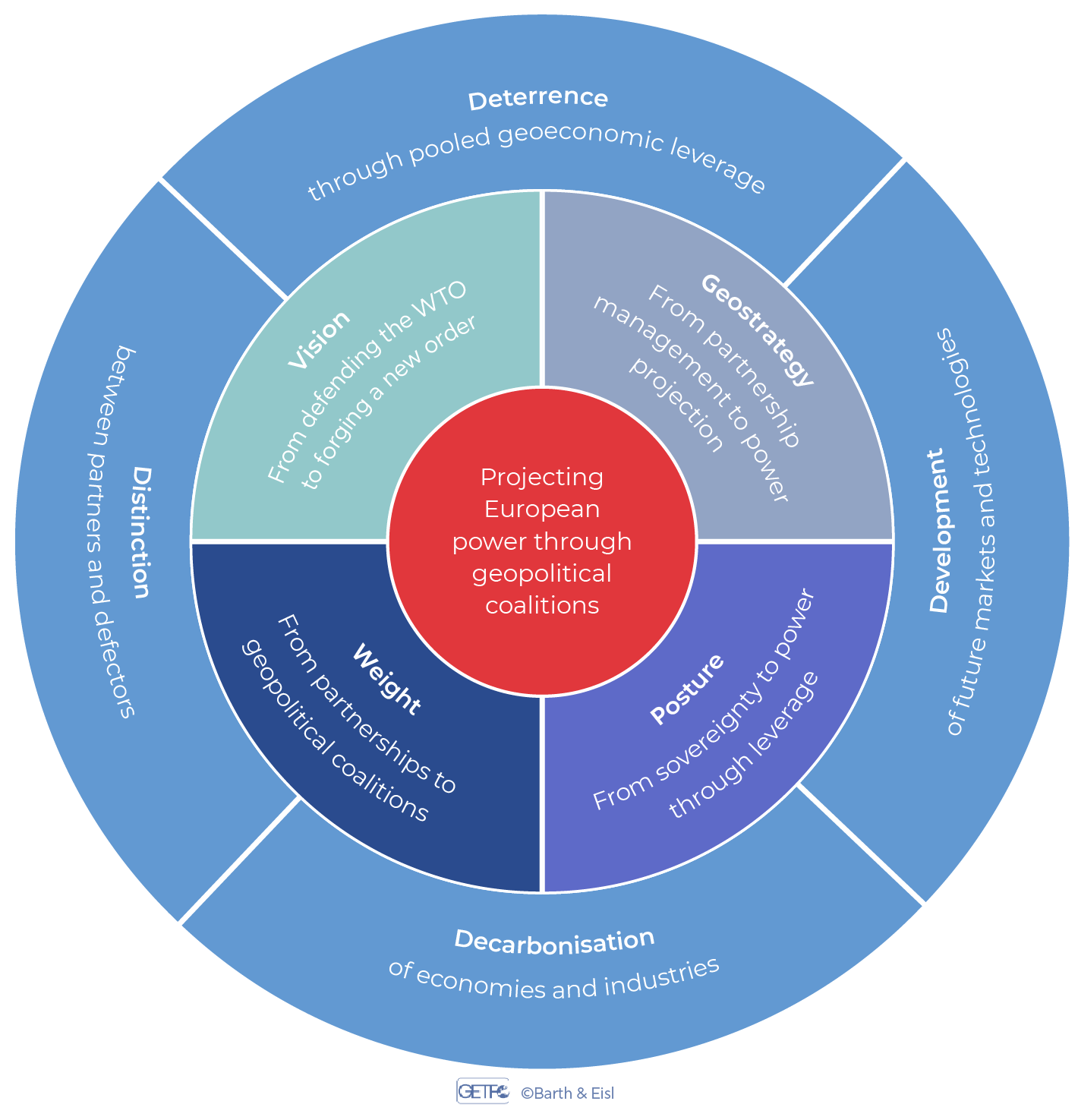
The report contends that Europe’s current focus on de-risking and resilience preserves autonomy but does not amount to power understood as the ability to shape the behaviour of others. To do so, Europe must move from managing partnerships to projecting power by building coalitions of small and middle powers around shared priorities such as decarbonisation, energy security, and the development of future markets. In doing so, Europe can help lay the foundations for a renewed rules-based order beyond the WTO.
Figures from the report